What Flying Teaches a Photographer - Part 2 - The Photographer
Field Notes from Southeast Alaska
By Heather Kiesel, Heather Kiesel Photography
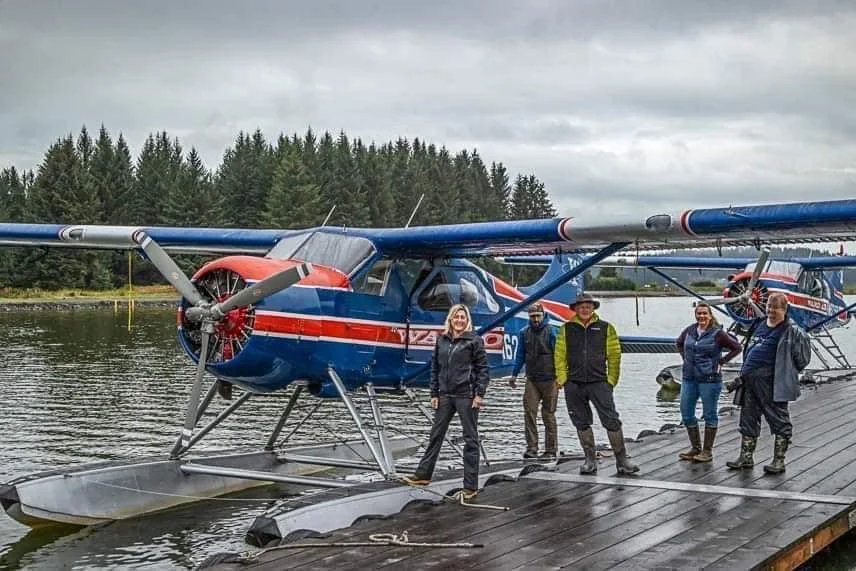
In Part I, I wrote about what flying teaches a photographer — how access, weather, and pilot decision-making shape the day before a camera ever comes out. The floatplane gets us there but once the engine sounds fade away, the responsibility shifts from pilot to photographer and what happens next is on us.
1. Pause Before You Shoot
When you step off the plane, don’t raise your camera immediately (beginners do not heed!! Get the shot!!). Stand still and access the environment – what do you see? Watching behavior before you document it gives you opportunity for more thoughtful photos.
Is the bear actively feeding or simply traveling?
Are cubs nearby?
Is tension building between animals?
Where is the dominant light coming from?
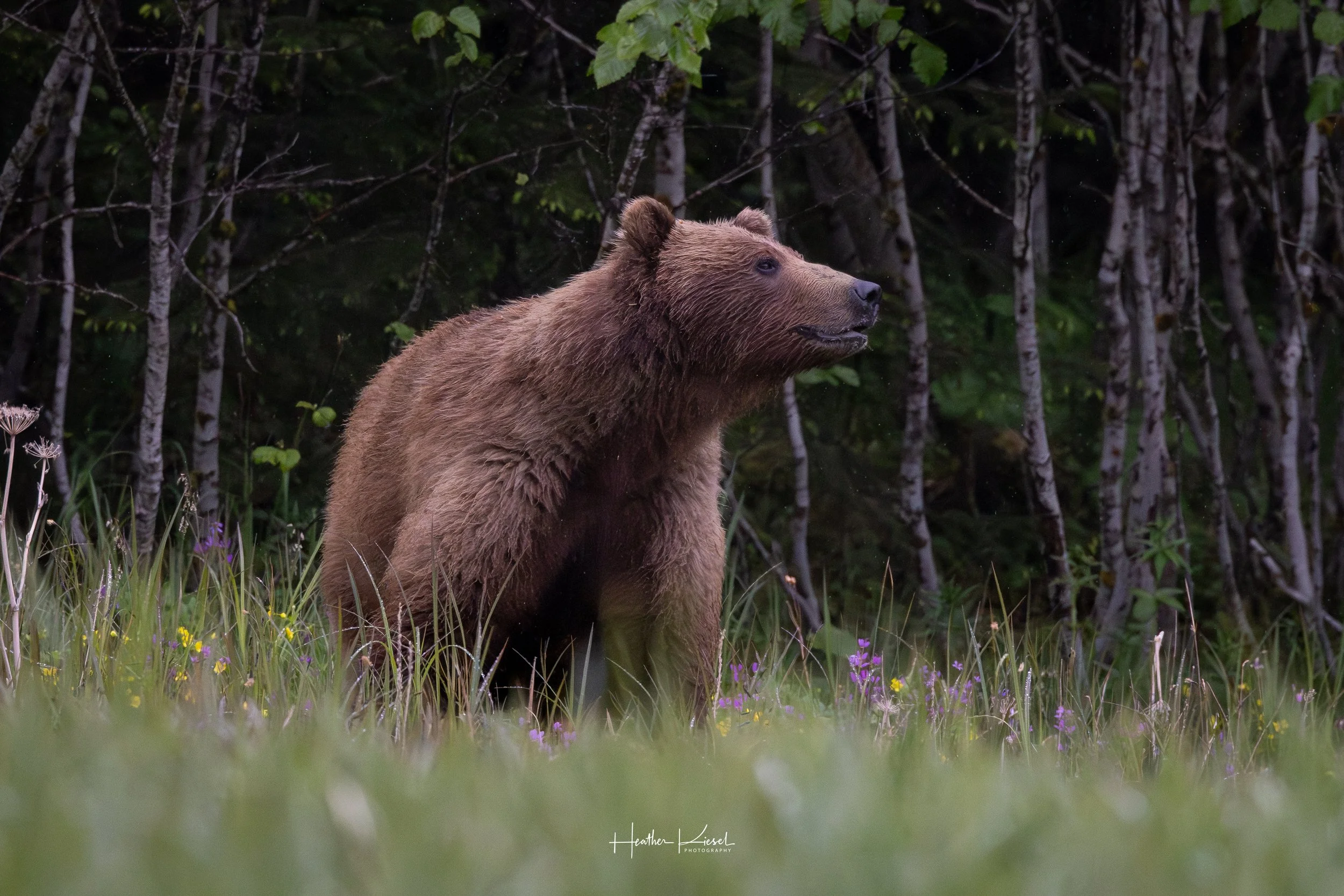
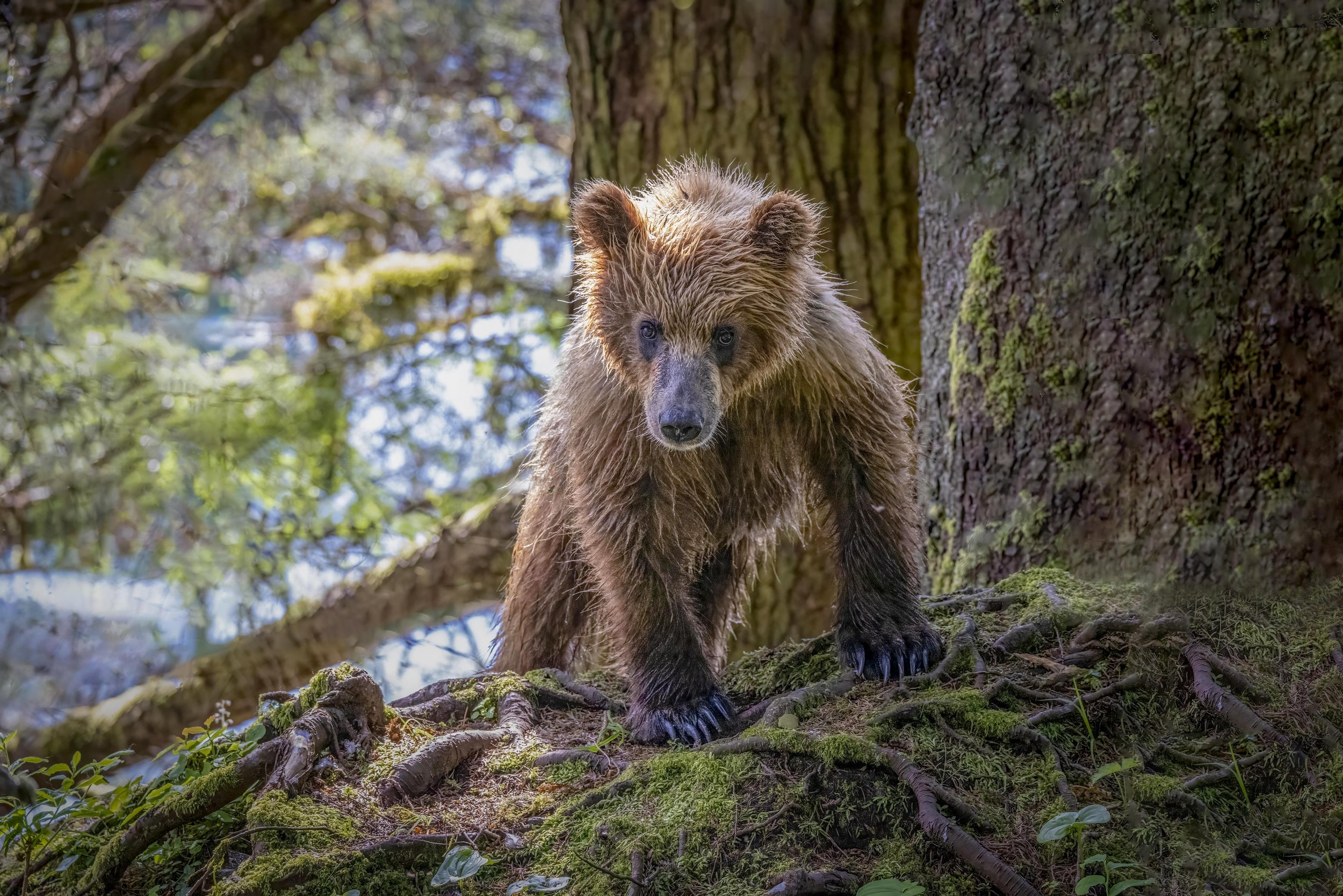
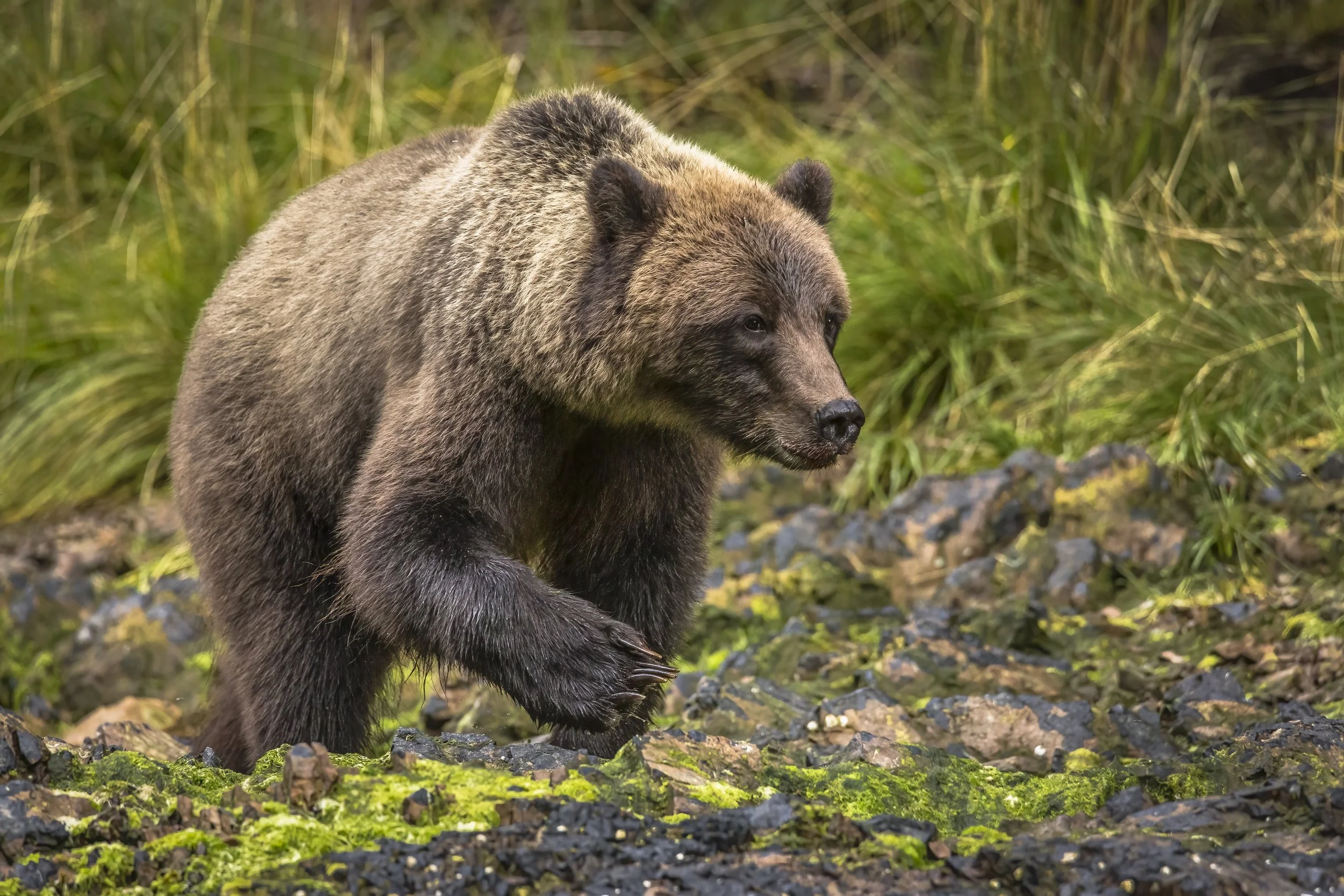
Behavior tells you what’s about to happen. If you learn to read it, you’ll start photographing moments before they unfold — not after.
2. Stop Chasing Movement
Wildlife photography isn’t about following animals with your lens. It’s about positioning yourself where behavior will naturally happen. So instead of tracking a bear up and down a riverbank, ask:
Where will it likely step into open water? (You will discover they have their fishing spots!)
Where does the light improve?
Where is the background clean? (Watch this!!)
Then wait because intentional positioning always produces stronger images than constant movement.
3. Work the Light First
In Alaska, light shifts quickly. Wind changes reflections. Clouds soften contrast.
Before adjusting settings, evaluate:
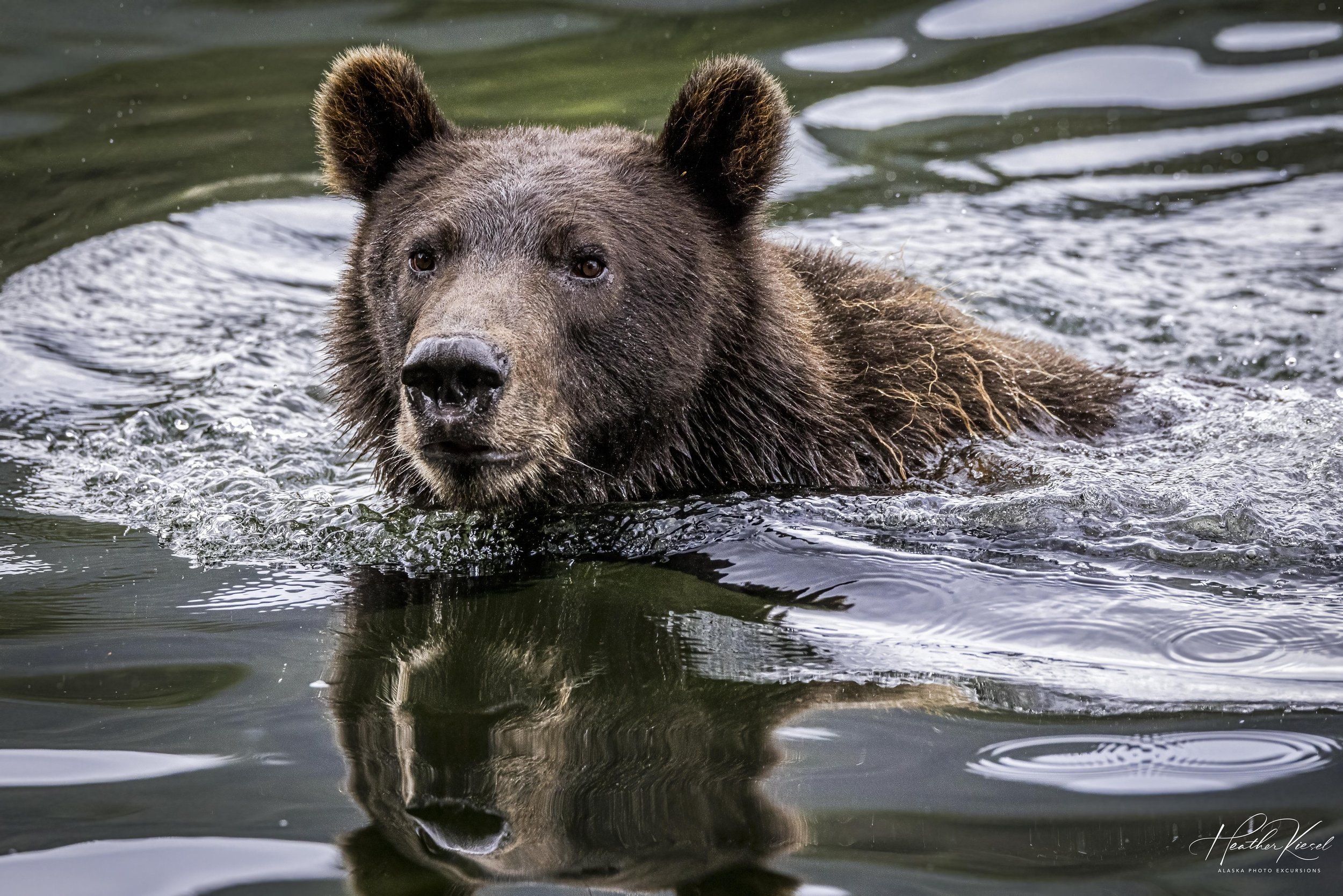
Are you backlit, front-lit, or side-lit? (highly recommend reading up on this before you go- you tube, journals, favorite photographers… )
Is the water glare distracting?
Does your angle flatten or shape the subject?
Sometimes moving a few feet or lowering your perspective makes a greater difference than changing exposure settings.
4. Anticipate, Don’t React
Bears — and most wildlife (bald eagle preparing to take off – leans forward and poops for instance) — telegraph behavior.
A pause before stepping. A head turns before a shake. A shift in weight before movement.
Pre-set your exposure. Pre-focus. Compose early so when the action happens, you’re ready.
5. Value Stillness
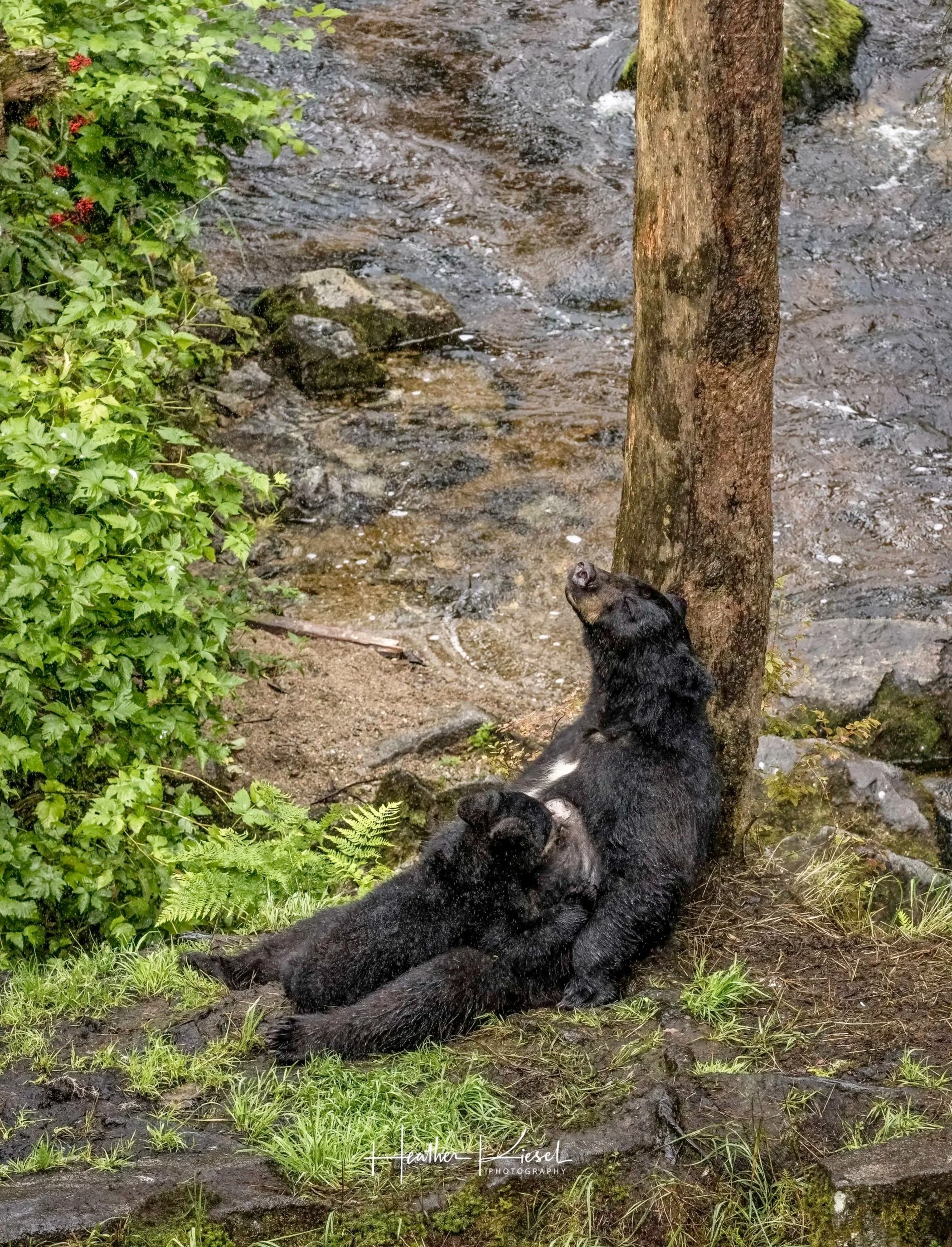
Not every compelling image is action. Quiet moments often carry more story:
A bear resting between feeding cycles
A cub watching the river
Mist settling over water
Stillness reveals mood and mood builds narrative – you want to tell a story! Alaska offers drama — but it also offers subtlety. Don’t overlook it.
Stillness reveals mood and mood builds narrative – you want to tell a story!
6. Measure Success Differently
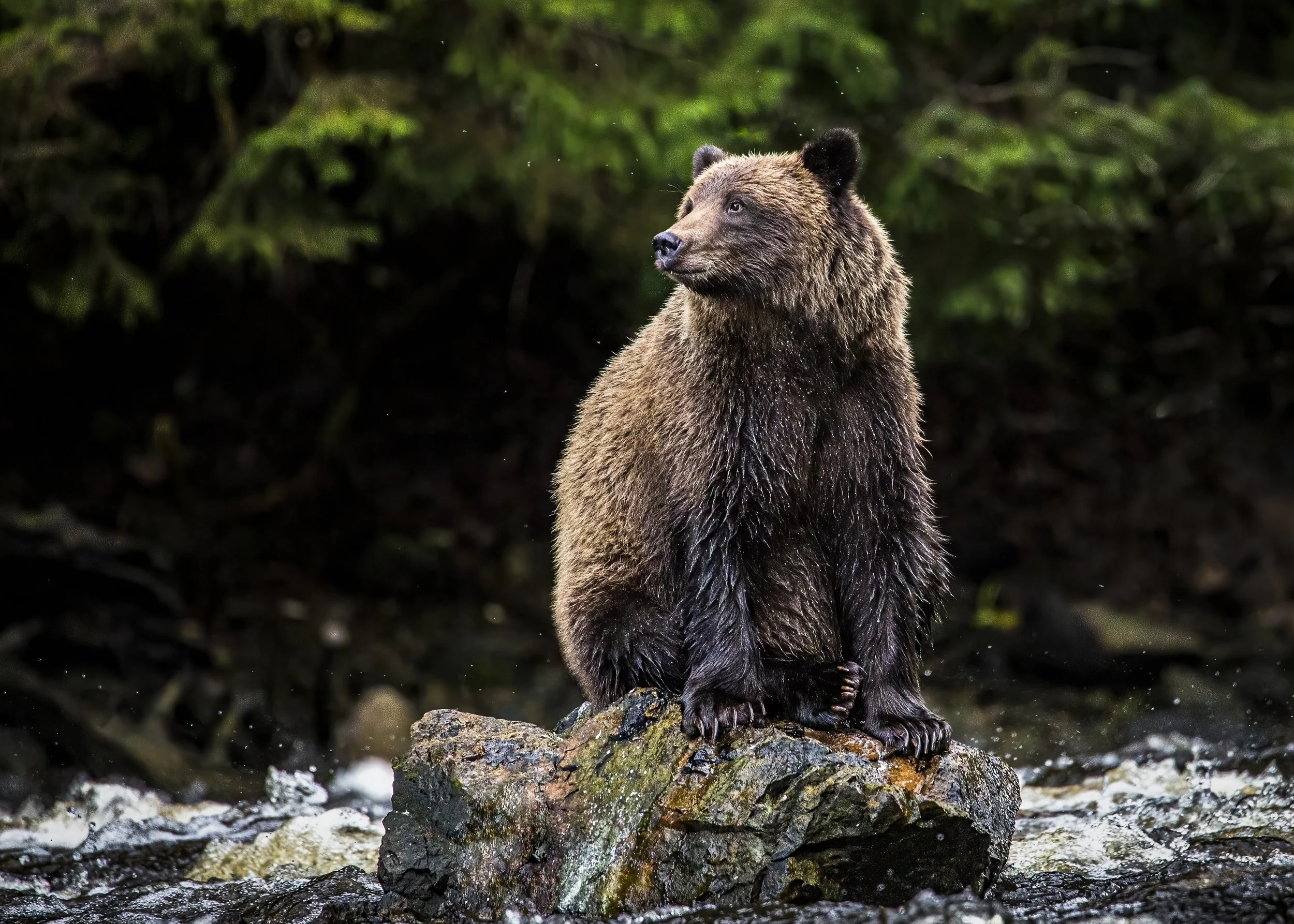
When you approach wildlife photography as witness rather than chase, you begin measuring success differently.
Not by frame count. Not by proximity. Not by intensity. – but by awareness. You leave with fewer images — and stronger ones as well as return with deeper understanding of behavior and place. It makes for a more memorable trip for me – try journaling as soon as you get back – save the moment! Over time, that approach builds something more important than a single photograph: it builds consistency.
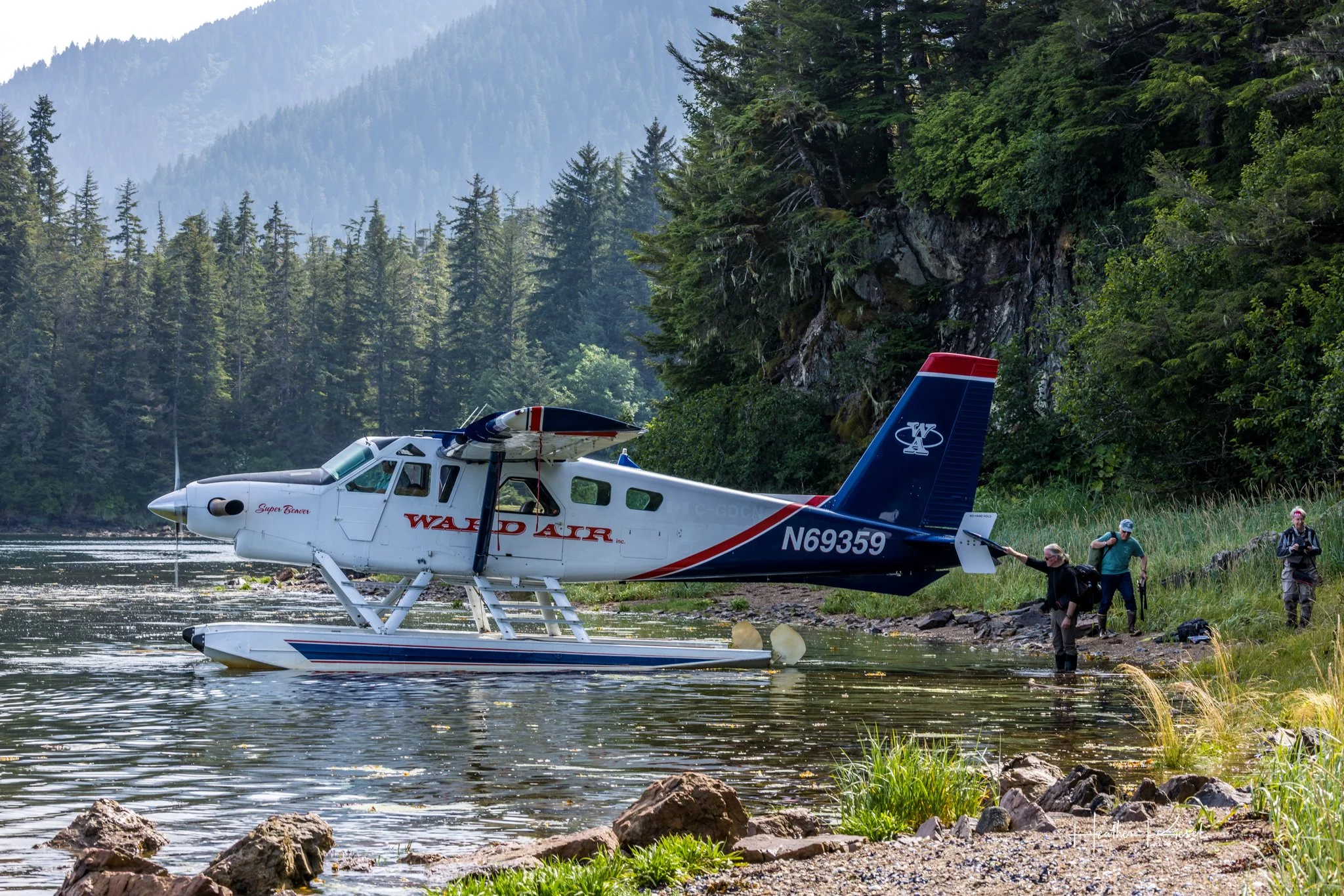
Ward Air - a gateway to experiences
The floatplane expands your access. Your patience expands your photography.
